AC Fixing: DIY AC Repair Typical Mistakes
AC Repair Near Me: For Any Concerns With Your Home'S Central air, Professional A/c System Servicing Is Highly Advised To Bring Back Comfort
Common Air Conditioning Problems Demystified
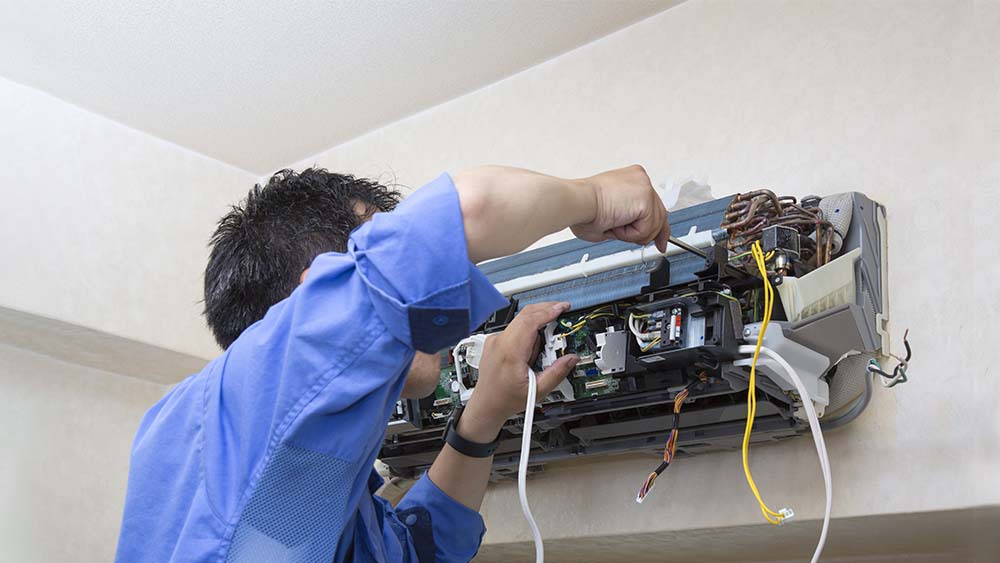
Ah, the symphony of summertime, typically stressed by the ominous silence of a failing air conditioning unit. It's a scenario as old as time, or at least as old as central air conditioning. We've all existed: that moment of sneaking dread when the supposed blast of cool air is absolutely nothing more than a lukewarm sigh. Understanding the typical culprits behind a malfunctioning a/c system isn't simply about being notified; it has to do with possibly saving yourself from a full-blown meltdown, both personal and mechanical. What are the normal suspects when your home's sanctuary turns into a sweltering desert?
The Silent Treatment: Why Your Air Conditioning Isn't Turning On
Envision awakening to a heat wave, your internal thermostat already objecting, only to discover your AC unit offering no reaction whatsoever. Is it a power problem? A thermostat problem? Typically, the simplest explanation is the right one. A tripped breaker is a remarkably frequent transgressor. Think about it as your electrical system's method of stating, "Whoa, excessive going on here!" Sometimes, it's as basic as resetting it. But what if that doesn't work? Have you examined your thermostat settings? It sounds primary, yet countless service calls begin and end with a simple adjustment of the thermostat from "off" to "cool" or a fresh set of batteries. Don't undervalue the power of the apparent!
The Warm Embrace: When Your Air Conditioning Blows Hot Air
Possibly the unit is running, however the air originating from the vents feels like it's straight from an oven. This is where things get a bit more complicated. A common perpetrator here is a refrigerant leakage. Refrigerant, the lifeline of your a/c, is what absorbs heat from your home and launches it outdoors. Without enough of it, your system can't perform its cooling magic. Another regular problem is a clogged up air filter. It's like attempting to breathe through a thick blanket; the system struggles, airflow is restricted, and performance plummets. Routine filter modifications are not just a recommendation; they are an important for optimum efficiency and longevity. Have you altered yours just recently?
The Drip, Drip, Drip: Water Leaks
Discovering a puddle near your indoor unit can be disconcerting. While it might look like a minor trouble, it can indicate more significant underlying problems. The most common cause of water leaks is a blocked condensate drain line. As your air conditioning cools the air, it eliminates humidity, which then condenses into water. This water drains pipes away through a specific line. If this line gets obstructed by algae, dirt, or particles, the water has nowhere to go however out, frequently onto your floor. This isn't just unpleasant; extended leaks can lead to water damage and mold growth. Another less check here common, however still possible, factor for water leaks is a frozen evaporator coil, frequently a sign of low air flow due to a filthy filter or low refrigerant.
The Unsettling Sounds: Noises You Shouldn't Overlook
Your a/c unit shouldn't sound like a haunted home. Unusual noises are often your system's way of crying for aid. Here are a couple of common acoustic red flags:
- Screeching: Frequently suggests an issue with the fan motor belt or bearings.
- Grinding: Might point to issues with the motor's bearings, needing instant attention to prevent additional damage.
- Banging: A loose or broken part within the compressor or fan might be causing this worrying sound.
- Clicking: While some clicking is normal during startup and shutdown, persistent clicking might signify an electrical relay problem.
Overlooking these noises belongs to disregarding a smoke alarm-- it rarely ends well. Early intervention can frequently avoid a small problem from snowballing into a pricey repair work.
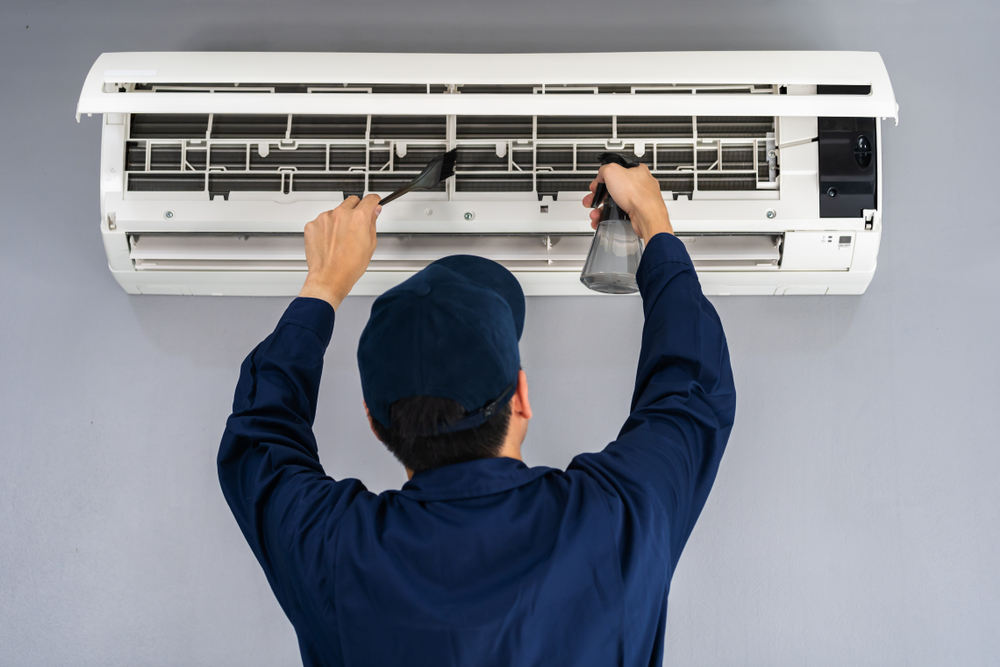
Understanding these typical air conditioner problems empowers you as a homeowner. While some issues, like a tripped breaker, are DIY-friendly, others, such as refrigerant leakages or compressor issues, absolutely require expert AC repair. Understanding when to call in the experts is key to keeping your convenience and the health of your cooling system. Do not let a minor misstep turn into a significant headache!
Do It Yourself Troubleshooting Tips
The relentless summertime heat, a true heater of pain, typically finds us yearning for the cool accept of an appropriately functioning air conditioning system. But what occurs when that comforting hum falters, replaced by an unsettling silence or, even worse, a disheartening rattle? Before you reach for the phone to call an air conditioning repair specialist, think about a couple of do it yourself troubleshooting actions. Many minor problems can be fixed with a bit of knowledge, conserving you both money and time. Think about it as being your own investigator, sifting through hints to identify the issue. Is it a simple fix, or a sign of something more profound?
One typical offender behind an all of a sudden having a hard time air conditioning system is a blocked air filter. It's amazing how frequently this tiny part can bring a mighty system to its knees. Envision trying to breathe through a thick wool blanket; that's what your AC unit experiences with a filthy filter. When was the last time you checked it? A great rule of thumb is to check it month-to-month and replace it every 1-3 months, specifically during peak usage seasons or if you have family pets. A tidy filter isn't almost air flow; it's about the longevity of your entire system. Limited airflow requires the unit to work harder, causing increased energy intake and premature wear on parts. It resembles asking an Olympic runner to sprint with weights tied to their ankles.
Decoding the Thermostat
Typically, the source of a perceived air conditioner breakdown isn't the unit itself, however the command center: your thermostat. Have you inspected the battery lately? A dead battery is a surprisingly frequent reason for a non-responsive system. Likewise, ensure it's set to "cool" and not "heat" or "fan only." A classic mistake, right? However it takes place more frequently than you 'd think, especially after seasonal changes. Think about if someone inadvertently adjusted the temperature level setting significantly. A common situation includes a member of the family bumping the setting, causing an unexpected, unforeseen drop or rise in indoor temperature. It's the equivalent of a miscommunication in between the brain and the body.
- Check the outdoor system for obstructions. Leaves, branches, and even little toys can block the air flow, impeding its ability to dissipate heat.
- Examine the breaker. A tripped breaker is a simple fix, but if it keeps tripping, that's a clear signal of a deeper electrical issue that requires professional attention.
- Listen for uncommon noises. Hissing could show a refrigerant leak, while grinding frequently indicates a motor issue. Your AC system often speaks to you, if only you listen.
Another often ignored aspect is the condensate drain line. This line gets rid of wetness from your home, and if it ends up being stopped up, water can support, triggering a safety switch that shuts down the unit. A simple option is to clear the obstruction, typically with a store vac or a specialized cleansing solution. This little act can prevent significant water damage and restore your air conditioner's functionality. Keep in mind, the objective of these initial steps is to separate the problem. Is it something you can take on, or does it need the specialized tools and understanding of an expert? Sometimes, the most important DIY pointer is understanding when to employ the cavalry.
Working with a Professional for Your Air Conditioner Repair work
The sweltering summertime heat comes down, and all of a sudden, your sanctuary ends up being a sauna. The a/c system, as soon as a silent guardian, now groans with a sickly wheeze, or worse, offers just the lukewarm embrace of stagnant air. Do you get your tool kit, fueled by a YouTube tutorial and a dash of optimistic ignorance? Or do you choose up the phone, confessing that some battles are best battled by experienced veterans? This isn't almost repairing a broken machine; it's about restoring convenience, preserving peace of mind, and ultimately, securing your financial investment. Numerous property owners, in a valiant effort to save a few dollars, accidentally transform a small a/c hiccup into a full-blown disaster. I have actually seen it numerous times: a well-intentioned DIYer trying to "complement" refrigerant, only to unintentionally vent it into the environment, producing an ecological hazard and a a lot more expensive air conditioner repair work bill. An ounce of prevention, as they say, deserves a pound of treatment, and in this case, that ounce is expert know-how.
Think about the intricate dance of elements within your air conditioner. It's not simply a fan and some coils; we're talking about refrigerants, electrical systems, compressors, and delicate sensing units all working in performance. A bad move in one area can waterfall into widespread problems. A common blunder is misdiagnosing an easy capacitor failure for a more extreme compressor problem. A trained service technician, nevertheless, will promptly identify the offender. They have specialized tools, like a manifold gauge set for precise pressure readings or a multimeter to inspect electrical continuity, which are well beyond the typical homeowner's toolbox. Additionally, they understand the subtle subtleties of airflow dynamics and heating and cooling system performance. Did you understand that even a somewhat undersized or large filter can substantially affect your unit's efficiency and longevity? It's these seemingly minor details that a true professional will meticulously examine.
Navigating the Choice Process
How does one sort through the wide variety of air conditioning repair work services to find the right fit? It's not unlike finding a trusted physician; you want somebody educated, dependable, and transparent.
- Experience Matters: Try to find companies with a long-standing credibility. Durability frequently speaks volumes about their quality of service and customer satisfaction.
- Accreditations are Secret: Guarantee their service technicians are NATE (North American Technician Quality) certified. This represents a high level of proficiency and adherence to industry best practices in air conditioning service.
- Transparent Communication: A credible expert will describe the problem in clear, reasonable terms, laying out the necessary repairs and offering choices. They won't speak in riddles or pressure you into unneeded repairs.
- Emergency Solutions: Does the business offer 24/7 emergency situation repair work? An unexpected breakdown on a scorching Sunday afternoon needs instant attention, not a voicemail.
Eventually, the decision to employ an expert for your cooling system problems isn't practically convenience; it's about securing your home's comfort, extending the life expectancy of your unit, and avoiding pricey mistakes down the line. Remember the old adage: "If you think an expert is pricey, wait until you employ an amateur."
The Unsung Hero: Preventative Upkeep
Ever discovered yourself sweltering in the peak of summer, AC blowing nothing however hot air? It's a traditional tale, isn't it? The kind that makes you wonder why you didn't observe that quiet whisper in the back of your mind about a tune-up. This isn't almost preventing pain; it has to do with securing your investment. Consider your heating and cooling system as a precise orchestra; every part plays an important part. When one instrument falters, the whole symphony suffers, and often, the most substantial discord emerges from neglected preventative measures.
The Quiet Saboteurs of Efficiency
The most typical, and frequently overlooked, culprit behind a struggling air conditioner is a dirty filter. Sounds basic, ideal? It's amazing how many house owners forget this essential step. A stopped up filter chokes your system, requiring it to work harder, take in more energy, and ultimately, reduce its lifespan. It's like trying to run a marathon while breathing through a straw. Another silent saboteur is the build-up of debris on your outside unit's coils. Leaves, dirt, even pet fur-- they all act as insulators, preventing correct heat exchange. Imagine attempting to cool a steaming pot by covering it in a blanket; that's basically what's taking place.
Beyond the Obvious: Professional Insights
- Monitor Refrigerant Levels: Low refrigerant isn't almost less cooling; it indicates a leak. A qualified professional can pinpoint and repair these leaks, avoiding additional environmental impact and expensive system damage.
- Examine Electrical Links: Loose electrical wiring can lead to inefficient operation and even fire threats. A professional evaluation guarantees all connections are protected and corrosion-free, often preventing what might become a substantial electrical repair work.
- Tidy Drain Lines: An obstructed condensate drain line can cause water to support, causing mold development, water damage, and even system shutdown. A basic flush can avoid an unpleasant and costly issue.
Think about the tale of two homeowners: one who vigilantly schedules annual AC maintenance, and another who waits on a breakdown. The very first enjoys consistent comfort and lower energy costs, while the second deals with emergency situation repair work, typically at the most bothersome times and at a premium. Which narrative would you prefer for your own home? The upfront cost of preventative care fades in comparison to the abrupt, unforeseen expense of a significant repair work. It's not about being fortunate; it's about being prepared.
A Proactive Technique: What to Anticipate
Throughout an expert preventative maintenance check out, a professional will carry out a comprehensive check-up. This isn't just a quick glance; it involves an extensive examination of all significant elements, from the thermostat to the compressor. They'll oil moving parts, making sure smooth operation and minimizing wear and tear. They'll check the calibration of your thermostat, guaranteeing accurate temperature level readings and optimal energy usage. It has to do with nipping possible issues in the bud before they blossom into full-blown crises. Don't let your convenience be an afterthought; make preventative maintenance a priority. Your wallet, and your summer, will thank you.